

Industry insights
Best Nooks Alternatives for AI SDR Platforms in 2026
Compare the best Nooks alternatives for AI SDR, outbound prospecting, sales engagement, data enrichment, and inbound lead conversion.
Industry insights
Compare the best Nooks alternatives for AI SDR, outbound prospecting, sales engagement, data enrichment, and inbound lead conversion.
Last updated
Nooks is an AI-native sales engagement workspace for outbound SDR teams. Its public pages position Nooks around AI Sequencing, AI Prospecting, an AI Dialer, coaching, conversation intelligence, and data enrichment, with Salesforce and HubSpot integrations and a claim that AI Sequencing can replace Outreach and Salesloft for some teams.
That makes Nooks a serious option when the job is outbound prospecting at scale. It also explains why buyers compare alternatives: some teams want a pure parallel dialerParallel dialerA parallel dialer places multiple outbound calls at once and connects an answered call to an available person or automated agent., some want a broader sales engagement platform, some want autonomous AI SDR workers, and some realize their real problem is not cold prospecting at all — it is converting the inbound demand already sitting in the CRMCRMA CRM is the system used to manage leads, contacts, accounts, opportunities, activity, ownership, and follow-up..
This ranking is written for operators comparing Nooks against the rest of the AI SDR and sales engagement category. The sharp buyer fork is simple: if you need to manufacture pipeline from cold accounts, evaluate the AI SDR and outbound platforms carefully. If your problem is that high-intent, opted-in leads are not reached fast enough, Thoughtly is the cleaner fit because it is built for voice, SMS, email, CRM workflows, booking, and warm handoff after a lead raises a hand.
Nooks is expanding beyond dialing into sequencing, prospecting, AI assistants, buying signals, coaching, and enrichment. That breadth is useful, but it also changes the buying question. A team shopping for a Nooks alternative should decide whether it wants a dialer, an all-in-one sales engagement platform, an autonomous AI SDR, a data workflowWorkflowA workflow is a defined sequence of steps, decisions, actions, delays, and outcomes used to complete a business process. system, or an inbound lead-conversion platform.
External review and forum research points to a few due-diligence themes. G2 pages show strong user enthusiasm for Nooks and Orum as dialing productivity tools, while sales forums also raise concerns that parallel dialers can drive more activity without necessarily improving connection quality or rep context. Pricing is another triggerTriggerA trigger is an event or condition that starts, resumes, changes, or stops an automated workflow.: Nooks lists packages and capabilities publicly, but exact pricing is sales-led, so buyers should compare total cost across seats, data providers, dialer minutes, sequencing, enrichment, coaching, and CRM administration.
The alternatives below are not interchangeable. Orum is closest to the sales-dialer motion. Outreach, Apollo, and Regie.ai are closer to sales engagement and AI-assisted prospecting. 11x.ai and Artisan sell the autonomous AI SDR story. Clay is the data and enrichment workbench. Thoughtly belongs first only for the buyer whose Nooks evaluation revealed a different problem: speed-to-lead, inbound coverage, multichannel persistence, and CRM execution after someone has already shown intent.
I separated outbound prospecting from inbound conversion. Strong outbound tools help reps or AI workers find accounts, build sequences, dial, personalize, coach, and measure activity. Strong inbound conversion tools react the moment a lead arrives, call while intent is fresh, continue over SMS and email, qualify fit, book or transfer, and update the CRM.
Nooks touches calling, sequencing, prospecting, and coaching, so a credible alternative needs to be clear about where voice, email, SMS, LinkedIn, enrichment, and CRM handoff live. A tool can be excellent in one channel and still be a weak replacement if the buyer expects the whole workflow in one place. I gave more credit to platforms that make channel tradeoffs explicit instead of hiding them behind generic automation language.
AI SDR platforms vary widely. Some write emails or recommend next steps while reps still own execution; others claim autonomous research, outreach, reply handling, and meeting booking. I looked for whether AI actually performs work, whether humans still need to approve or clean up the output, and whether the system gives operators control when quality or compliance risk matters.
Sales development lives or dies on data quality and system-of-record hygiene. I looked for Salesforce and HubSpot depth, enrichment dependencies, activity logging, sequence management, workflow triggers, and whether outcomes flow back to the CRM without manual cleanup. Tools that require a separate data provider, separate dialer, separate sequencer, and separate reporting layer can still work, but the operating burden should be priced honestly.
I checked official vendor pages, pricing pages, G2 result pages, Trustpilot where available, Reddit threads, and independent comparison posts. Low-rated or forum evidence is not treated as universal truth, but recurring patterns help buyers know what to verify in proof of concept: connection quality, pricing opacity, support responsiveness, deliverability, UI complexity, data accuracy, and whether AI-generated outreach sounds human enough.
| Platform | Best fit | Primary strength | Key limitation |
|---|---|---|---|
| Thoughtly | Opted-in inbound lead conversion | AI agents call, text, email, qualify, book, transfer, and write outcomes back to CRM. | Not a cold outbound prospecting database or LinkedIn automation platform. |
| Orum | Outbound SDR teams that need more live conversations | AI-powered parallel dialing, sales floor, coaching, and call intelligence. | Still primarily a dialer; more activity does not automatically solve targeting or rep-context issues. |
| 11x.ai | B2B teams buying autonomous AI SDR workers | Alice and Julian package prospecting, outbound, inbound, and reactivation workflows. | Cold-prospecting center of gravity and separate motions can be overbuilt for inbound conversion. |
| Outreach | Enterprise sales engagement and revenue workflow teams | Large sales engagement platform with AI agents, forecasting, governance, and revenue workflows. | Custom pricing and admin complexity can be heavy for teams that only need calling or lead follow-up. |
| Apollo.io | Teams that want data plus engagement in one platform | B2B database, sequencing, AI assistant, workflows, dialer add-ons, and transparent starting prices. | Data quality, billing, and support complaints show up in low-rated review/forum research. |
| Regie.ai | Teams replacing legacy sales engagement with AI-assisted prospecting | AI SEP, prospecting agents, dialer, signals, enrichment, email, phone, and social in one motion. | Annual contracts, seat minimums, and add-ons require careful cost modeling. |
| Artisan | Teams testing AI BDR-led outbound | Ava packages lead discovery, enrichment, campaigns, replies, and outbound automation. | Autonomous outbound quality and pricing should be tested before replacing human SDR judgment. |
| Clay | GTM teams building custom data and enrichment workflows | 150+ data sources, AI research agents, enrichment, signals, and flexible workflow building. | Not a native dialer or finished SDR workflow; learning curve is real. |
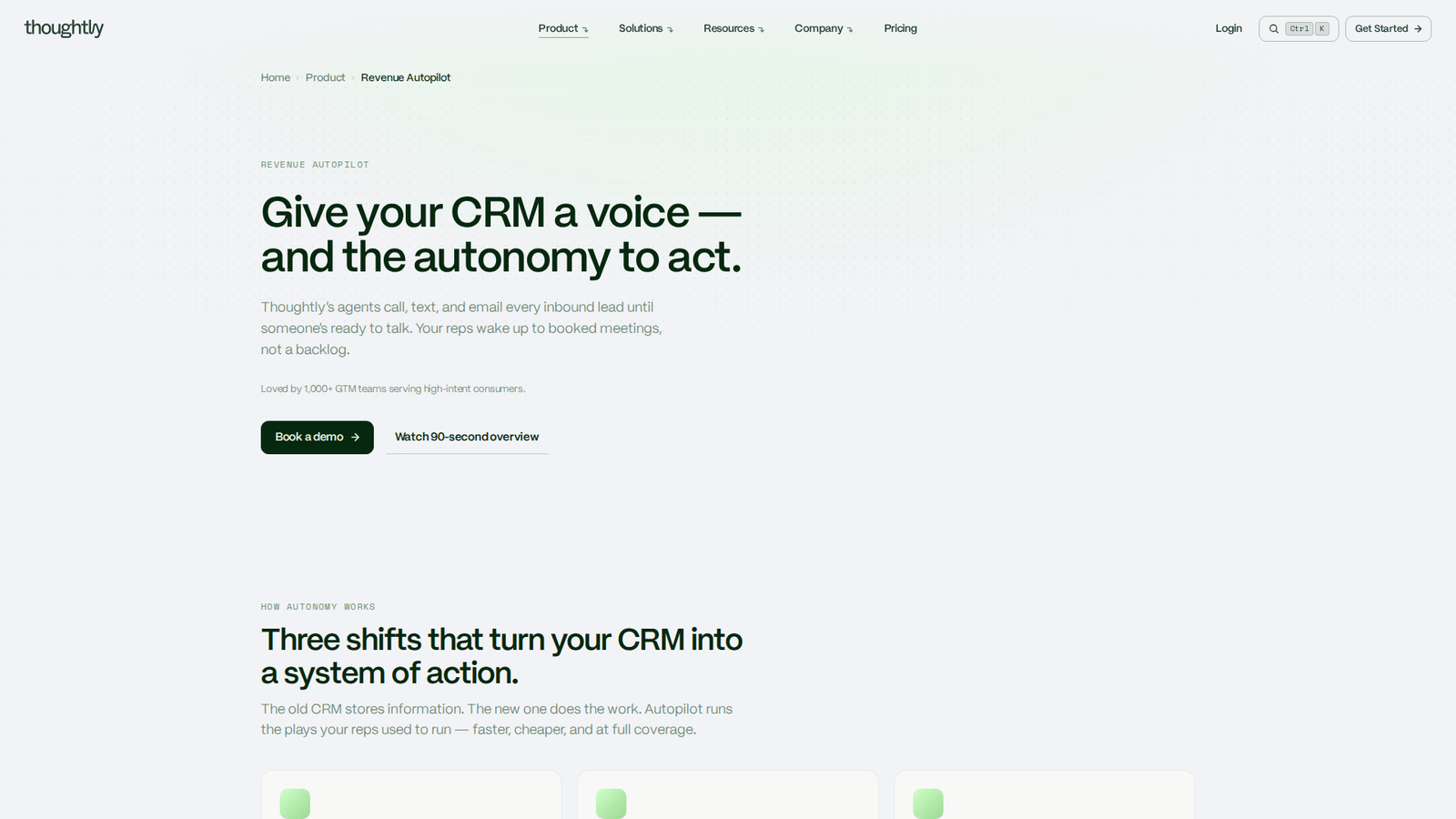
Thoughtly is not a cold outbound AI SDR, and that is the point. It is built for companies that already generate high-intent leads through forms, aggregators, ads, referrals, missed calls, and CRM lists, then lose revenue because follow-up is too slow or too inconsistent. Thoughtly agents call leads quickly, continue over SMS, iMessage, WhatsApp, and email, qualify intent and fit, book appointments or warm-transfer the conversation, and write structured outcomes back into the CRM. For insurance, mortgage, real estate, automotive, education enrollment, healthcare, home services, financial services, legal, and similar consumer funnels, that job is more valuable than adding another cold-prospecting layer.
Choose Thoughtly when your Nooks evaluation is really about leakage after demand already exists: slow response times, missed calls, unworked form fills, stale CRM records, weak appointment settingAppointment settingAppointment setting captures availability, confirms fit, and books a qualified prospect on the correct calendar without requiring manual chasing., or inconsistent follow-up. If the team needs to convert every inbound lead before intent decays, Thoughtly is the sharper tool than a cold SDR platform.
Thoughtly pricing is scoped around usage, channels, workflow complexity, integrations, compliance needs, and support model. Model cost around contact volume, talk time, messaging, CRM depth, and whether you need implementation support for regulated funnels.
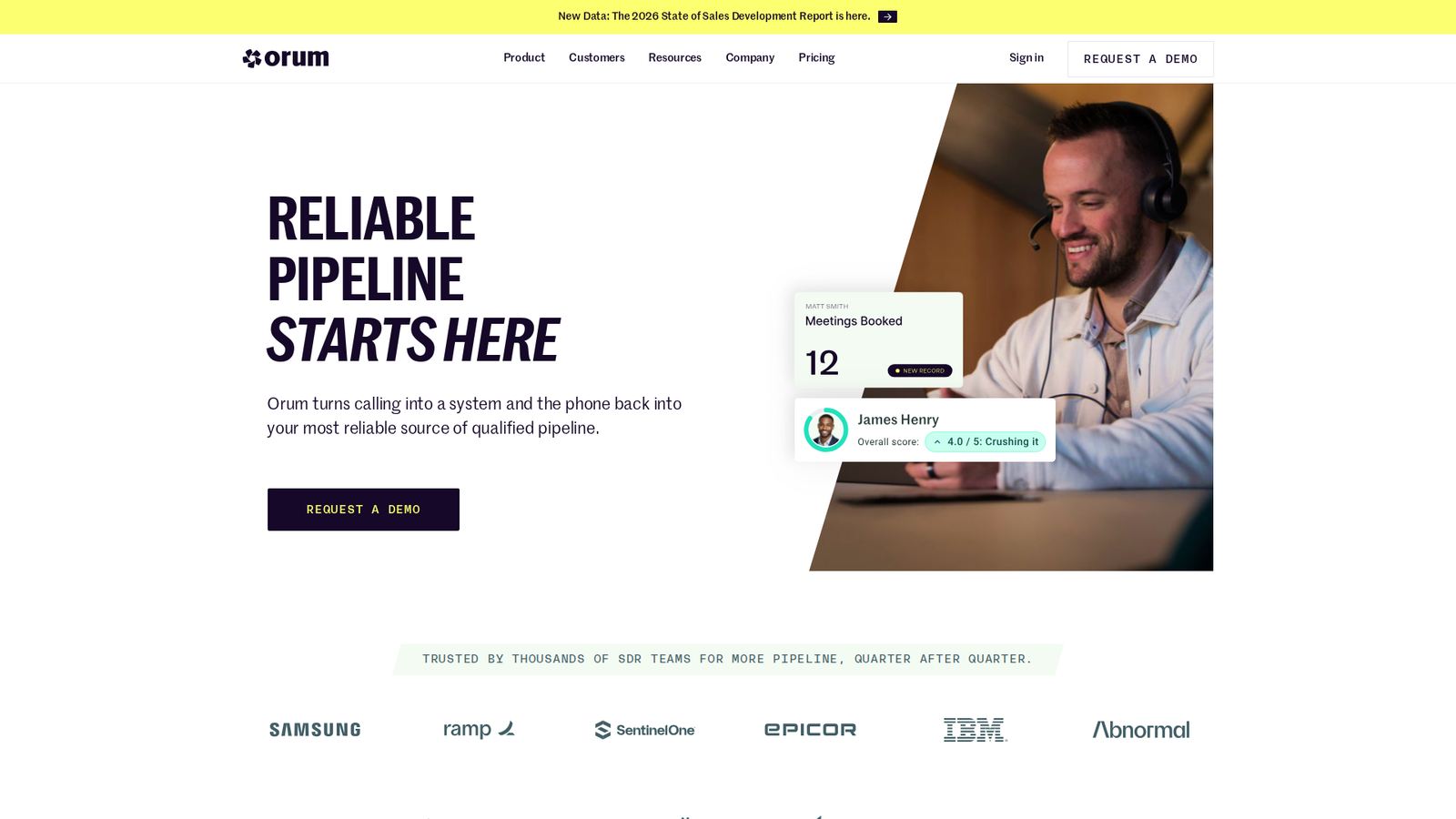
Orum is the closest Nooks alternative for teams that primarily want to improve outbound calling productivity. Its public positioning calls Orum a calling performance system with a dialer, sales floor, coaching, enablement, international calling, integrations, security, and AI trained on more than a billion sales calls. G2 search results consistently describe Orum users praising time savings and efficient dialing. The watch-out is the same one buyers should ask of any parallel dialer: more dials can create more conversations, but it does not automatically fix who you call, what the rep knows when someone answers, or whether the motion is right for the buyer.
Choose Orum if your team is committed to outbound calling and the bottleneck is call throughput, coaching, and rep activity management. Choose Thoughtly instead if the issue is not getting more cold dials out, but responding to opted-in leads quickly and persistently after they hit the CRM.
Orum’s pricing page is sales-led. Independent reviews commonly cite premium per-user annual pricing, so confirm current rates, minimums, dialer packages, AI features, international calling, onboarding, and CRM integrationCRM integrationA CRM integration connects an agent or communications platform with a CRM so the systems can exchange records, events, and actions. costs directly.
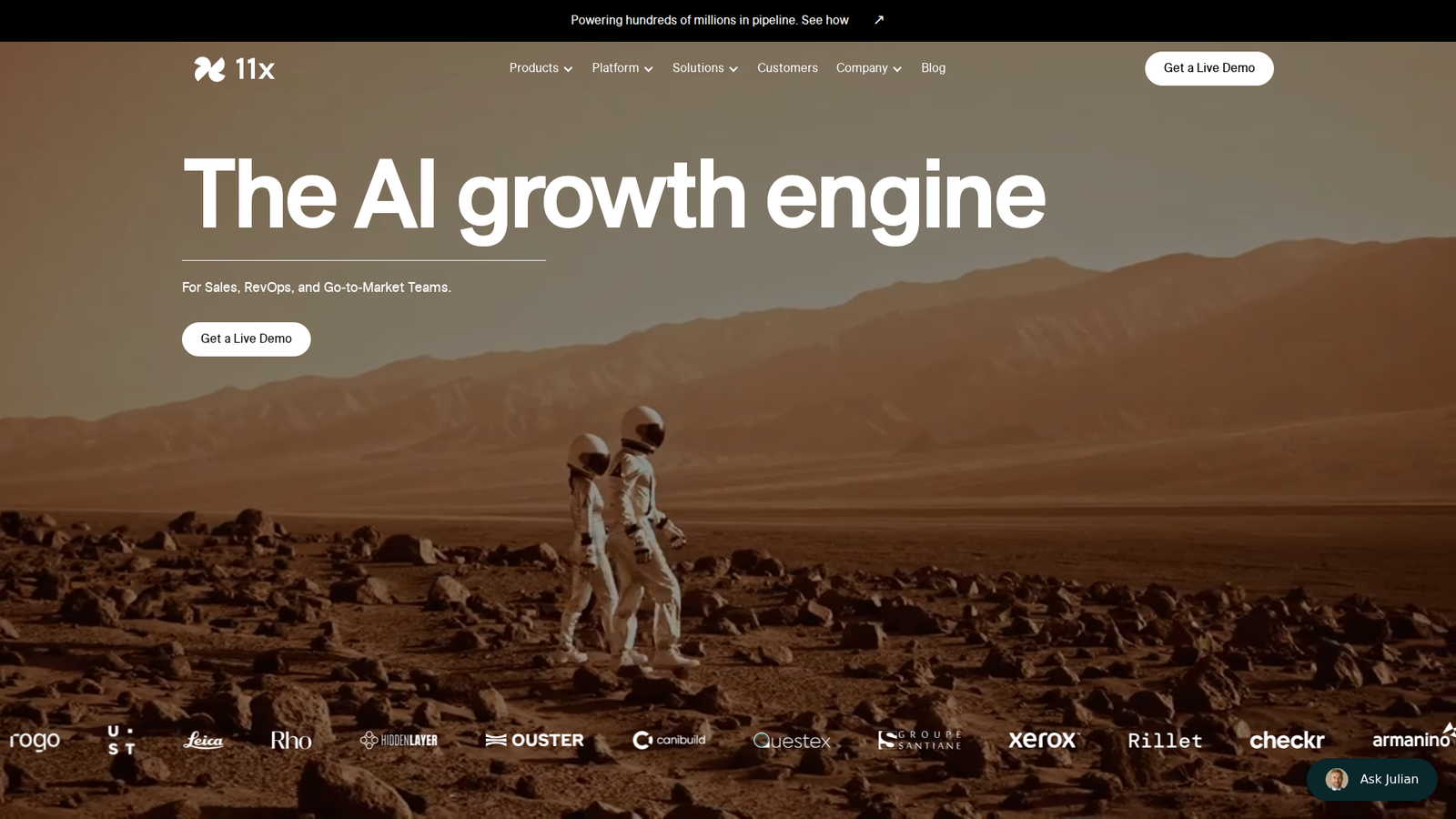
11x.ai is one of the most visible AI SDR vendors in the category, and its website presents digital workers such as Alice for outbound and Julian for inbound-style workflows. The product story is broader than a dialer: prospect research, outbound lead generation, lead nurture, reactivation, competitive takeout, PLG conversion, email, voice, and CRM tasks. That makes 11x a credible Nooks alternative when the buyer wants AI workers to create pipeline rather than simply make reps more productive. It is also where the category fork becomes sharp: 11x is built around cold prospecting and pipeline generation, while Thoughtly is built around converting existing demand.
Choose 11x.ai when you need AI SDRs to find, research, contact, and nurture net-new B2B accounts. Choose Thoughtly when your highest-leverage move is faster conversion of leads that already raised their hands and need voice-led qualification, SMS/email persistence, booking, and CRM write-backCRM write-backCRM write-back sends conversation outcomes, qualification answers, notes, appointments, dispositions, and next steps into the CRM..
11x.ai pricing is not published as a simple self-serve table on its homepage. Confirm package boundaries, monthly minimums, worker-specific pricing, CRM integrations, data dependencies, contract length, and whether inbound and outbound workflows are priced separately.
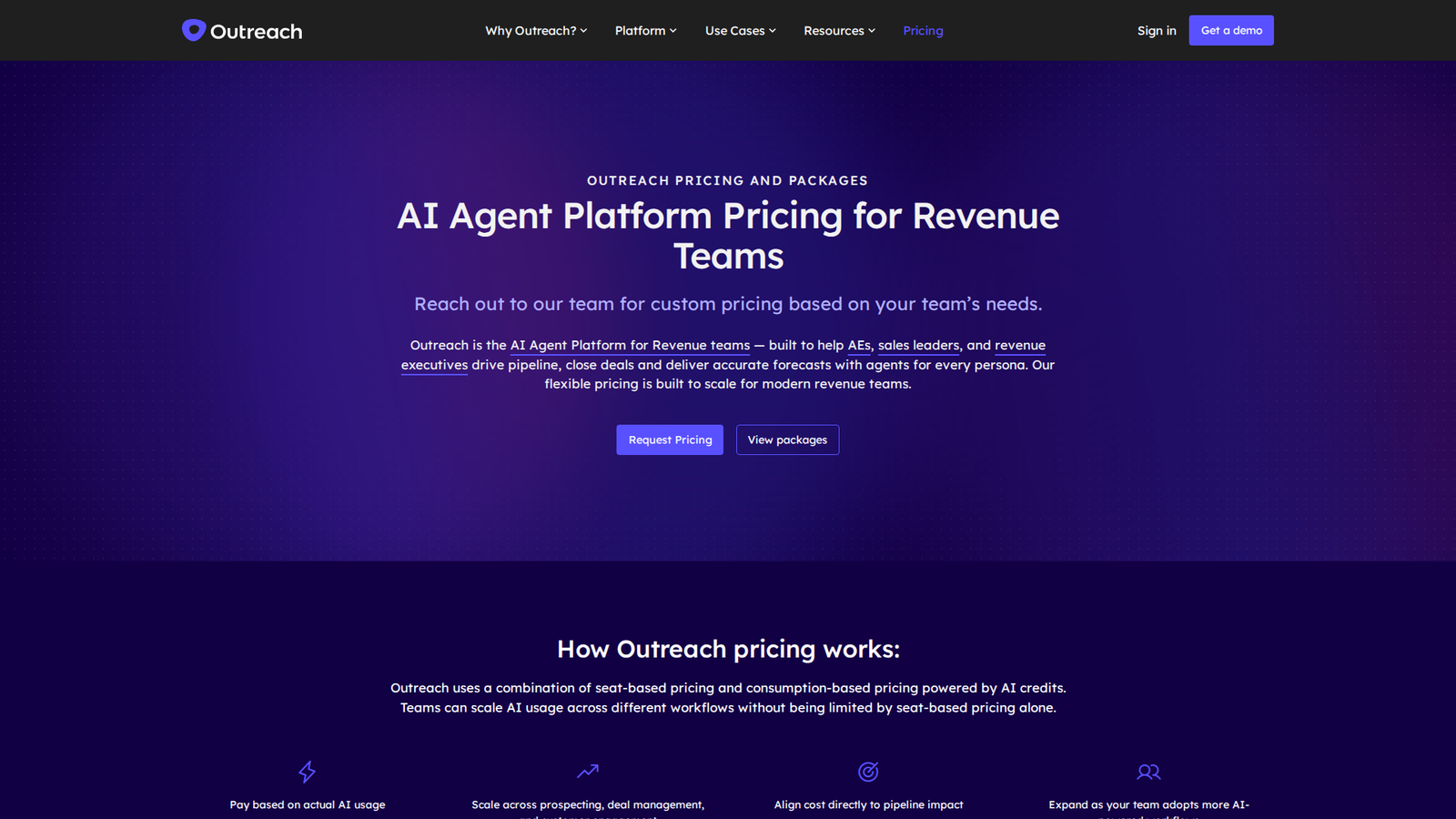
Outreach is a mature sales engagement and revenue workflow platform rather than a narrow Nooks-style dialer. Its current website positions Outreach as an agentic AI platform for revenue teams, with AI agents, sales engagement, pipeline management, forecasting, deal insights, account management, conversation intelligence, governance, and marketplace integrations. That breadth makes Outreach a serious alternative if the buyer wants to standardize revenue workflows across sellers, managers, and operations. It is less ideal when the team simply wants faster dialing or a purpose-built inbound conversion layer.
Choose Outreach when the team wants an enterprise system for sales engagement, rep workflows, and revenue execution governance. Choose Thoughtly when the target workflow is not managing human sellers, but having AI agents convert inbound leads before human reps ever need to touch them.
Outreach publishes package descriptions and asks buyers to request pricing. Budget for custom pricing, AI credits, seats, implementation, integrations, support, and ongoing RevOps administration.
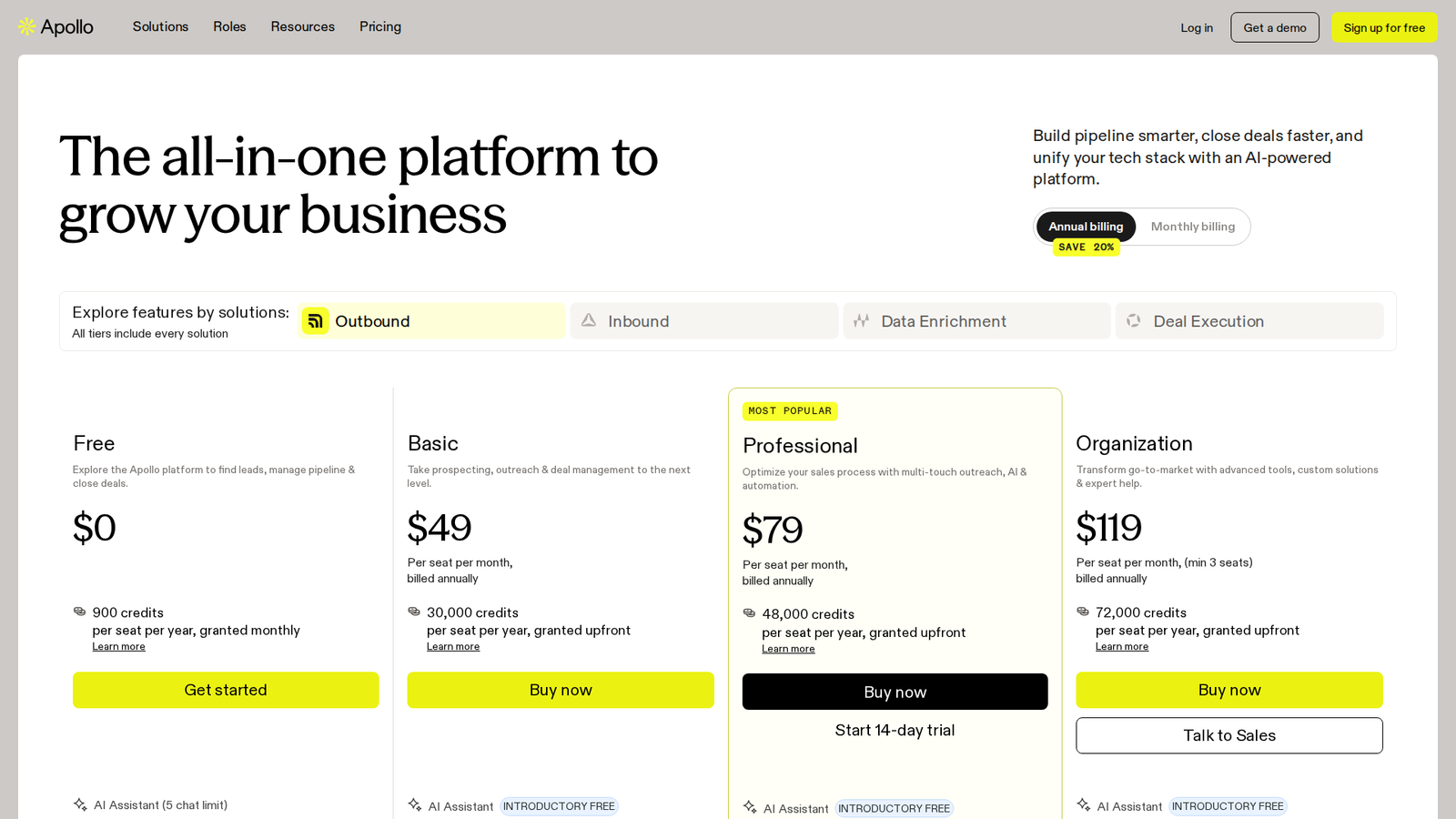
Apollo.io is a practical Nooks alternative when the team wants B2B data, prospecting, sequences, AI assistance, workflows, enrichment, intent, dialer options, and CRM integrations in one platform. Apollo’s public pricing is unusually explicit for this category, with free, Basic, Professional, and Organization tiers plus add-ons such as inbound and advanced dialer packages. That makes it attractive for teams trying to consolidate data and engagement without jumping straight to an enterprise-only sales engagement platform. The tradeoff is that review research around Apollo often centers on data accuracy, billing, support, and usability questions, so buyers should run a disciplined pilot before relying on it as the system of recordSystem of recordA system of record is the authoritative source for a defined category of business data. for outbound.
Choose Apollo.io when you want an accessible all-in-one prospecting data and engagement stack with clear starting prices. Choose Thoughtly when your workflow begins after a lead submits intent and needs immediate calling, persistent SMS/email follow-upEmail follow-upEmail follow-up sends timely, context-aware replies or reminders that move an inbound lead toward qualification, scheduling, or handoff., appointment setting, warm transferWarm transferA warm transfer connects a live caller to the right person while preserving the context already collected during the conversation., and CRM write-back.
Apollo publishes free and paid tiers: Basic at $49 per seat per month billed annually, Professional at $79, and Organization at $119 with a three-seat minimum, plus add-ons such as inbound and advanced dialer packages at team-level monthly pricing. Confirm credits, dialer usage, enrichment, mailbox, CRM, and cancellation terms.
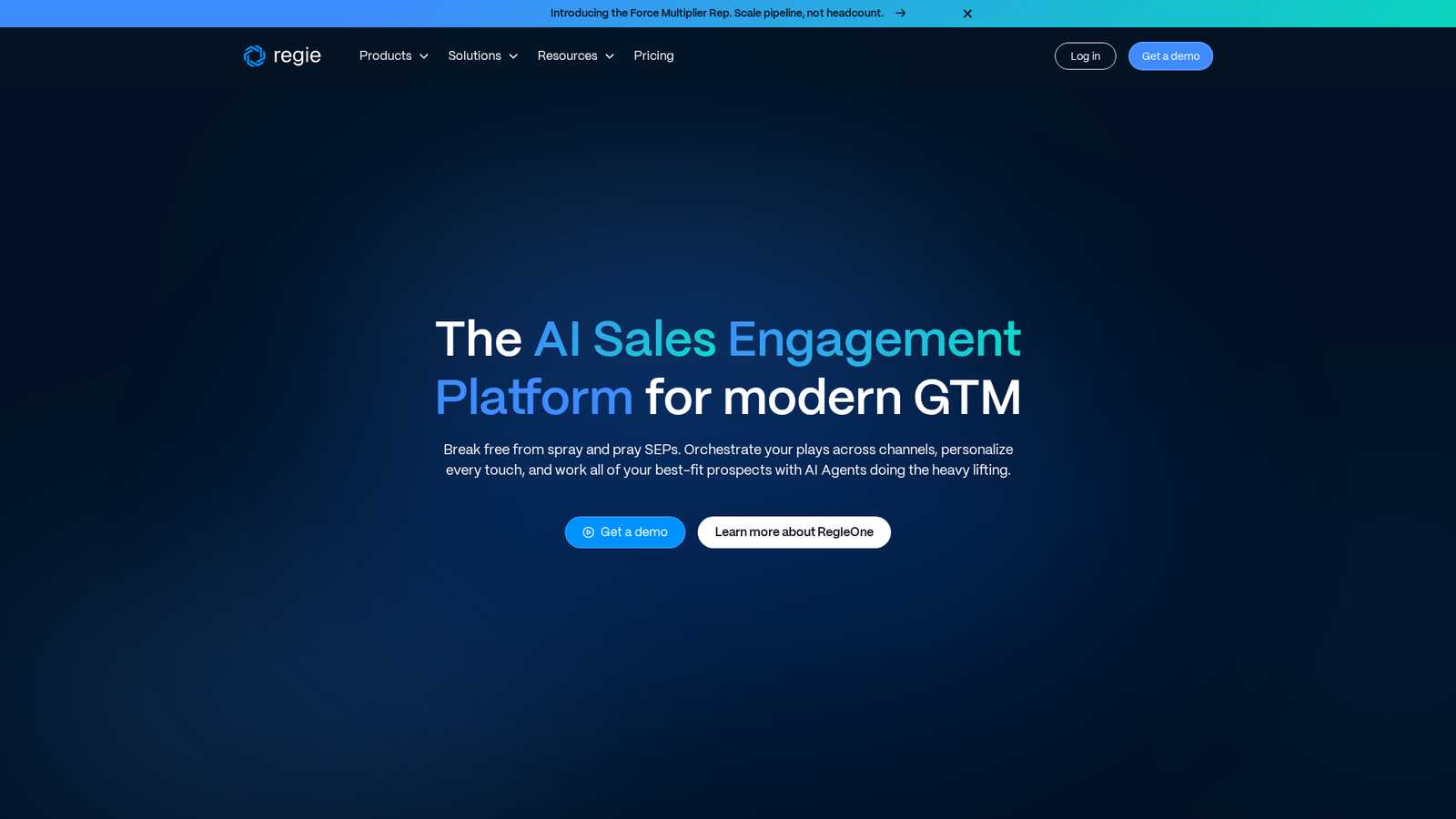
Regie.ai is a strong Nooks alternative for teams that want an AI sales engagement platform rather than only a dialer or data tool. Its public pages position Regie.ai around an AI SEP, Force Multiplier Rep, prospecting agents, an AI dialer, signals, enrichment, email, phone, social, analytics, CRM/SEP integrations, and mailbox rotation. The pricing page is also more concrete than many competitors, which is useful for budget holders. The main watch-out is cost shape: annual contracts, seat minimums, credits, add-ons, and professional services can make the real comparison more complex than a simple per-user number.
Choose Regie.ai if you want to modernize an outbound sales engagement program with AI agents, a dialer, signals, enrichment, and multichannel prospecting. Choose Thoughtly if the bigger revenue leak happens after leads opt in and need immediate, compliant, persistent follow-up.
Regie.ai lists AI SEP at $180 per user per month on an annual contract with a 10-seat minimum, Force Multiplier Rep at $499 per user per month on an annual contract with a 5-seat minimum, and add-ons such as mailbox rotation and parallel dialer. Confirm current credits, implementation, services, and enterprise terms.
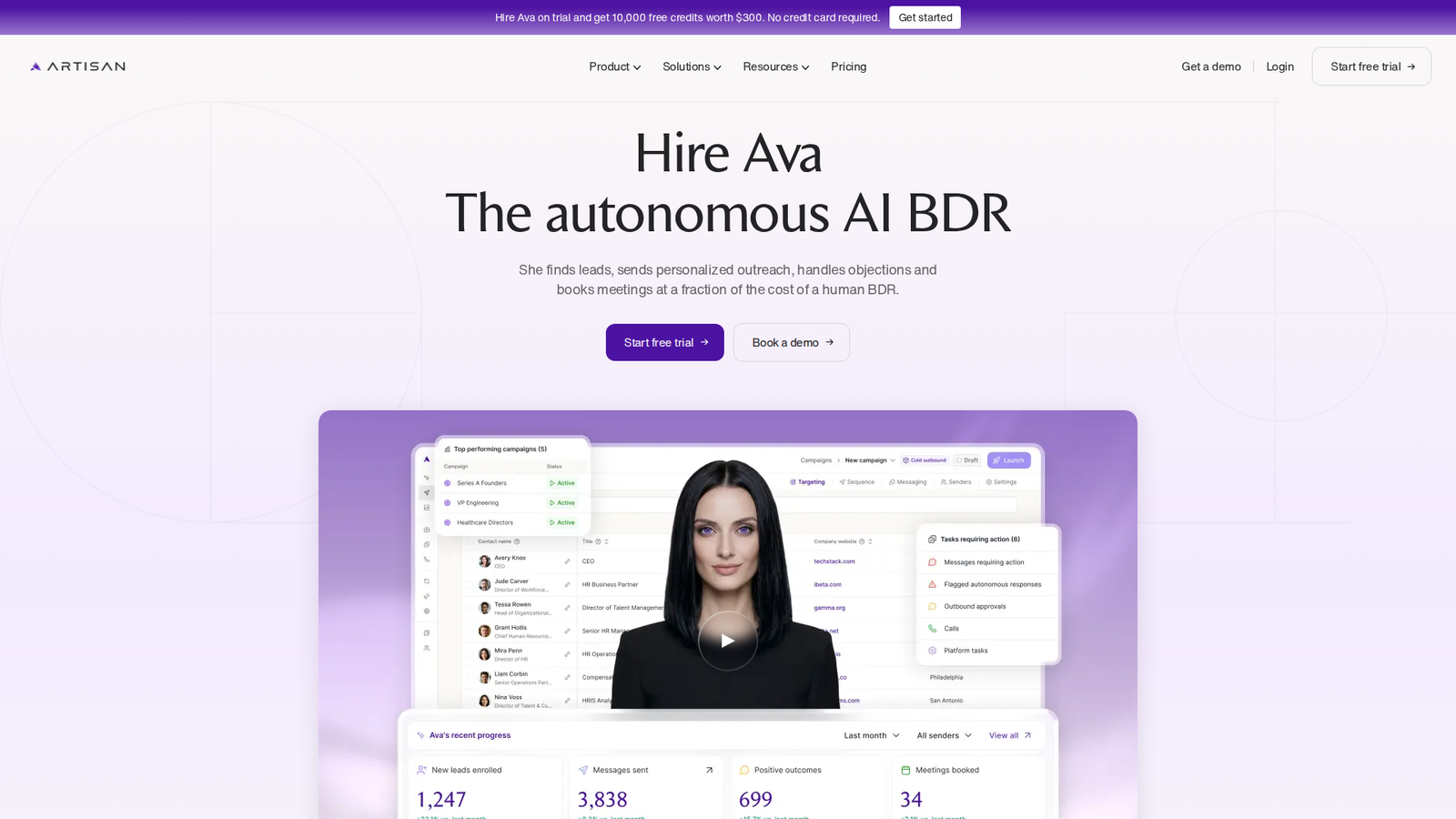
Artisan is a visible AI BDR platform built around Ava, its AI outbound worker. Its website frames Ava around finding leads, enrichment, autonomous campaigns and replies, CRM syncCRM syncCRM sync keeps selected lead, contact, conversation, outcome, and next-step data aligned between an agent platform and a CRM., deliverability monitoring, Slack integration, and a human power dialerPower dialerA power dialer automatically calls contacts in sequence while keeping one person or automated agent available for each connected conversation. add-on. Public pricing makes the entry path easier to understand than many autonomous SDR tools, with free, Intern, Employee, and Enterprise options. Artisan belongs on a Nooks alternatives list for teams that want to test whether an AI worker can replace or augment early-stage outbound tasks, not just help reps dial faster.
Choose Artisan when you want to test an AI BDR motion for outbound campaigns and are comfortable measuring results against human SDR output. Choose Thoughtly when your economic case comes from converting existing demand quickly rather than generating new cold demand.
Artisan’s pricing page lists a free tier, Intern at $250 per month billed annually, Employee at $600 per month billed annually, and custom Enterprise pricing. The page also references a human power dialer add-on at $67 per seat per month; confirm current credits, CRM support, deliverability services, and onboarding.
Clay is not a direct dialer replacement for Nooks, but it is one of the most important alternatives when the underlying problem is data, targeting, and personalization. Its public positioning centers on unique data, more than 150 data sources, AI research agents, enrichment, waterfalling, signals, and growth workflows. Clay is often the tool operators choose when they want to build custom GTM workflows before pushing leads into a sequencer, dialer, or CRM. The tradeoff is that Clay is a workbench, not a finished SDR platform: it can make your outbound smarter, but it will not by itself run the whole calling and follow-up motion.
Choose Clay when Nooks is not solving the data and targeting layer and your team has the GTM-ops muscle to build workflows. Choose Thoughtly when the data already exists in the CRM and the missing piece is immediate multichannel conversion after a lead signals intent.
Clay publishes flexible pricing; the Launch plan is listed at $167 per month with action and data-credit options, while higher usage expands through credits and larger packages. Confirm action volume, data credits, AI model costs, integrations, and team governance before replacing or augmenting other outbound tools.
Shortlist Orum, Nooks, Regie.ai, and Outreach. Run a controlled test that measures not just dials per hour, but live-connect rate, meeting-set rate, show rate, rep context at answer, number quality, compliance posture, and whether prospects are being contacted in a way your brand can defend.
Compare 11x.ai and Artisan, and include Regie.ai if you want AI sales engagement rather than a pure AI-worker story. Insist on testing with your own ICP, offer, data quality, domains, mailbox setup, CRM fields, and approval rules. The category can look magical in a demo and still underperform if the targeting and messaging are weak.
Apollo.io and Clay are the more obvious shortlists. Apollo gives teams a database plus engagement stack with transparent entry pricing. Clay gives GTM operators a deeper workbench for enrichment, research, signals, and custom workflows before data flows into the sequencer or CRM.
Start with Thoughtly. The question is not how many cold accounts an AI SDR can touch; it is whether every opted-in lead gets worked quickly enough to convert. Thoughtly is built for the moment after intent appears: call, text, email, qualify, book, transfer, and write back to CRM.
Thoughtly is the best fit when the workflow starts with an opted-in inbound lead and the goal is fast conversion across voice, SMS, email, booking, handoff, and CRM write-back. Nooks, Orum, Outreach, Apollo, Regie.ai, 11x.ai, Artisan, and Clay are stronger fits for outbound sales development, prospecting, data, or sales engagement motions.
Orum is the closest direct alternative when the buyer is focused on outbound dialing productivity, parallel dialing, sales floor energy, coaching, and live-conversation volume. Outreach and Regie.ai are broader sales engagement alternatives, while Apollo and Clay are more data/workflow oriented.
Sometimes they can replace pieces of the job, but buyers should be precise. AI can research accounts, draft messages, execute sequences, surface signals, dial, log activity, and handle some replies. Humans still matter for positioning, offer strategy, judgment, objection handling, quality control, and the moments where brand risk or complex buyer context matters.
Because the funnel problem is different. AI SDR platforms are usually designed to generate cold pipeline. Thoughtly is designed to convert the demand companies already paid to create — especially in high-consideration consumer funnels where speed-to-lead, consent, voice contact, SMS/email persistence, booking, and CRM accuracy determine revenue.
Run a narrow pilot with real data, real reps, real compliance rules, and a clear success metric. For outbound tools, measure connect rate, meeting rate, show rate, list quality, deliverability, admin time, and prospect complaints. For inbound conversion, measure response time, contact rateContact rateContact rate is the percentage of eligible outreach attempts or lead records that result in a live, meaningful connection., qualification rate, booked appointments, warm transfers, CRM completeness, opt-outs, and revenue outcomes.
Reddit discussion on parallel dialers


