

Guides
Medical Answering Services for Dermatology Practices: How AI Voice Agents Fit
See how dermatology practices can use an AI voice agent for appointment routing, verified booking, follow-up, and governed clinical handoff.
Guides
See how dermatology practices can use an AI voice agent for appointment routing, verified booking, follow-up, and governed clinical handoff.
Last updated
Medical answering services for dermatology practices should move an eligible caller toward a verified appointment or a clearly owned staff task. A qualified AI voice agentVoice agentA voice agent is a conversational software system that listens, responds, follows a defined workflow, and can take approved actions during a phone conversation. can answer the call, identify the administrative request, apply practice-approved routing rulesRouting rulesRouting rules decide where a lead, call, appointment, or task goes using criteria such as intent, location, urgency, language, licensing, ownership, or availability., book live availability, send permitted follow-up, and transfer exceptions with context.
Our recommendation is to use the voice agent as a controlled access layer, not as a dermatologist, triage clinician, benefits specialist, or pricing authority. Dermatology calls can mix routine scheduling with prescription questions, changing symptoms, procedure preparation, cosmetic inquiries, and coverage concerns. The best deployment separates those paths early and gives each one a provable outcome.
See how Thoughtly handles healthcare inquiry response
A new medical dermatology visit, an established-patient follow-up, and a cosmetic consultation may require different providers, durations, locations, prerequisites, and staff review. The AI voice agent should ask only the administrative questions needed to choose a permitted path. When required context is missing or conflicting, it should stop the routine flow and assign the call.
The medical answering services buyer guide owns the broad vendor comparison, while the automated medical answering service guide covers general readiness. This article owns the narrower dermatology deployment decision: how an AI voice agent distinguishes bookable administrative work from calls that need trained staff.

Do not launch with an instruction such as handle dermatology calls. The practice should approve a short set of terminal outcomes and a named human owner for every blocked path. That turns the agent from a conversational demo into an auditable operating workflowWorkflowA workflow is a defined sequence of steps, decisions, actions, delays, and outcomes used to complete a business process..
| Caller intent | Allowed voice-agent action | Required result | Human owner when blocked |
|---|---|---|---|
| New medical appointment | Collect approved administrative details and match an eligible appointment type | Confirmed appointment ID or review task | Scheduling team |
| Cosmetic consultation | Route by service, location, and approved consultation rules | Booked consultation or assigned follow-up | Patient coordinator |
| Existing appointment change | Verify identity and change an eligible booking in the source schedule | Confirmed change or owned exception | Scheduling team |
| Prescription, symptom, result, or treatment question | Stop the booking path and transfer or create a staff task | Accepted transfer or named callback owner | Clinical team |
| Ambiguous or urgent request | Use practice-approved stop language and activate the designated human path | Accepted escalation or visible task | Trained practice staff |
Start with whether the caller wants a new appointment, an existing booking change, administrative information, or help that may require clinical staff. A voice agent should not collect a clinical history to compensate for a vague routing map. If the practice cannot define the branch, the agent should not invent it.
The practice should maintain the source for service lines, locations, providers, appointment classes, referral requirements, age limits, and any staff-review conditions. The agent may follow that table. It should not infer that two similarly named visits are interchangeable or decide which clinical service the caller needs.
Offer only slots returned for the resolved location and appointment class. Confirm the appointment only after the scheduling system reports success and returns an identifier. A stale slot, duplicate record, failed write, or timeout is an exception, not a soft booking.
A useful handoff includes the verified administrative facts, unresolved question, last system result, and reason a person is needed. When a caller cannot complete the conversation, permitted voice or SMS follow-upSMS follow-upSMS follow-up uses compliant two-way text messages to continue a conversation after an inquiry, call, voicemail, or prior interaction. should resume from that state rather than restart intake. Repetition is not continuity.
Explore Thoughtly AI voice agents for controlled booking and handoff
The AI voice agent should never diagnose a skin concern, interpret an image or result, recommend treatment, decide urgency, change preparation instructions, approve a refill, or promise insurance coverage. It may recognize a practice-defined stop condition and activate the approved path. The judgment remains with trained staff.
Privacy and contracting are also launch gates. HHS explains the role of business associate agreements and requires covered entities to apply the minimum necessary standard through policies appropriate to their work. A dermatology practice should approve the exact data scope, identity checks, access model, recording, retention, connected systems, and exception owners before live calls.
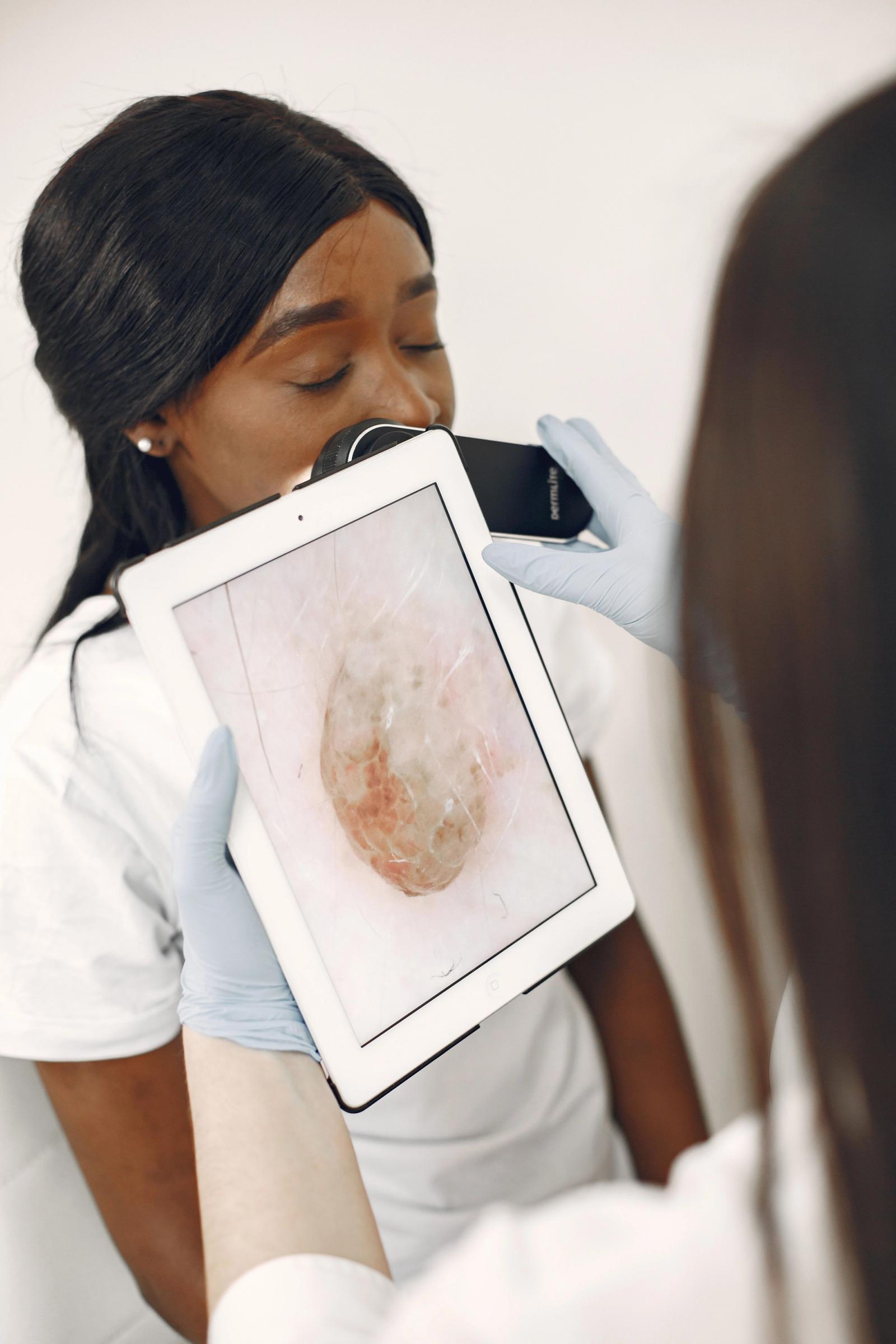
Thoughtly should sit beside the practice's phone, scheduling, CRMCRMA CRM is the system used to manage leads, contacts, accounts, opportunities, activity, ownership, and follow-up., and messaging systems as the conversation and action layer. Its current AI voice agent product supports controlled qualification, real-time handoff, transcripts, and CRM context. That is useful when the practice already has inbound demand but loses calls to coverage gaps, inconsistent routing, or incomplete follow-up.
Thoughtly is not the EHR, scheduling source of truth, clinician, payer, or clinical escalationEscalationEscalation moves a conversation to a person, specialist, supervisor, or alternate workflow when the agent should not continue alone. service. Its value is making every eligible inquiry reach a verified next step and every exception visible to the person who owns it. The strongest deployment makes those limits obvious in both the agent instructions and the reporting.
Start with one location, a bounded set of new-patient or consultation appointment types, one scheduling source, and one staffed exception queue. Test duplicate records, missing prerequisites, unsupported services, stale slots, failed writes, transfer rejection, caller corrections, clinical questions, and explicit requests for a person before expanding scope.
Measure eligible calls, verified booking decisions, confirmed appointments, accepted transfers, owned tasks, write failures, duplicate records, staff repair time, completed visits, and caller opt-outs where applicable. Do not reward containment. A voice agent that keeps a clinical question away from staff has optimized the wrong result.
Yes, when the practice has approved the appointment types, required administrative fields, identity checks, locations, provider rules, and live scheduling integration. The agent should confirm only after the authoritative system returns a successful booking.
It may ask a practice-approved routing question and follow the resulting administrative branch. It should not diagnose the concern, interpret symptoms, or select a clinical service on its own. Unclear requests need trained staff.
Only to the extent the practice has approved current administrative information. It should not promise coverage, medical necessity, patient responsibility, procedure eligibilityEligibilityEligibility is the set of conditions that determines whether a prospect can move to a service, quote, appointment, application, or specialist., or a final price. Unresolved questions belong with the practice's benefits or financial team.
Ask the vendor to demonstrate appointment-type routing, live booking confirmation, duplicate prevention, transfer failure behavior, structured write-back, permission controls, retention options, applicable contract terms, and a complete trail for both successful and stopped calls.
Map a dermatology call workflow with Thoughtly
Product context: Thoughtly AI VoiceAI voiceAn AI voice is synthetic speech produced by a text-to-speech model, using a selected or cloned voice to speak an agent's generated or scripted response. Agents. Privacy context: the HHS sources linked above. Photography: Pavel Danilyuk and Gustavo Fring via Pexels under the Pexels License. This article is operational guidance, not medical, legal, privacy, security, coverage, or billing advice.


